The Evolution of Classic Cars: A Journey Through Time
The evolution of classic cars is a fascinating journey that traces the roots of automotive design and engineering from the early 20th century to the present day. In the early years, automobiles were a luxury reserved for the elite, with brands like Ford and Chevrolet revolutionizing the market through mass production techniques. The introduction of models such as the Ford Model T in 1908 marked a significant turning point, bringing car ownership to the middle class. As technology advanced, so did the design—shifting from boxy, utilitarian shapes to more streamlined and powerful sports cars in the 1950s and 1960s, a golden age for American muscle and European sports cars.
As we venture further into the timeline of classic cars, the late 20th century brought about advanced manufacturing processes and innovations in safety and fuel efficiency. The oil crises of the 1970s pushed manufacturers to focus on smaller, more economical vehicles, while also paving the way for a resurgence of interest in classic vehicle restoration and preservation. Today, classic cars are not only cherished for their historical value and craftsmanship but also serve as a canvas for modern automotive technology. Enthusiasts continue to celebrate this rich history through car shows, auctions, and clubs, ensuring that the legacy of classic cars continues to evolve and inspire future generations.
Top 10 Classic Cars That Defined an Era
The world of automobiles has been shaped by numerous classic cars that not only stood the test of time but also defined the eras in which they were created. These vehicles symbolize both innovation and style, leaving an indelible mark on car enthusiasts and collectors alike. In this article, we will explore the top 10 classic cars that truly encapsulated their respective periods, revolutionizing automotive design and engineering.
- Ford Model T - Often hailed as the car that put America on wheels, the Model T made car ownership accessible to the masses.
- Chevrolet Corvette - Launched in the 1950s, this classic sports car became a symbol of American muscle and performance.
- Volkswagen Beetle - With its unmistakable shape, the Beetle became an icon of the counterculture movement in the 1960s.
- Porsche 911 - Renowned for its distinctive design and exceptional performance, the 911 has become a benchmark in the sports car market.
- Jaguar E-Type - Lauded by Enzo Ferrari as the most beautiful car ever made, the E-Type defined elegance in the 1960s.
- Mustang - The arrival of the Ford Mustang in the 1960s introduced the concept of the pony car, capturing the spirit of American youth.
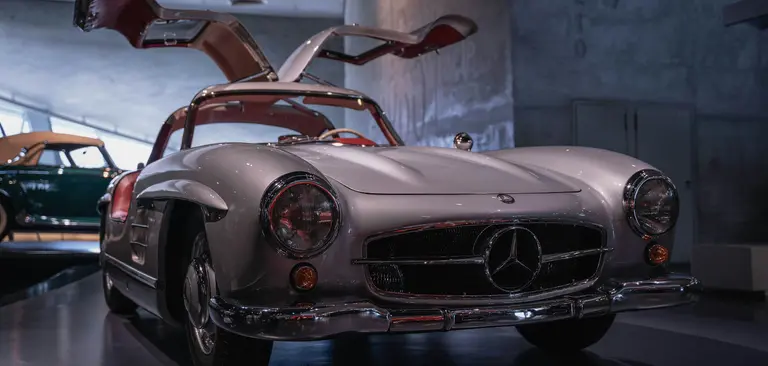
- Mercedes-Benz 300SL - Known for its gullwing doors and advanced technology, this vehicle became a symbol of post-war luxury.
- Chevrolet Camaro - Launched in the late 1960s, it quickly became a favorite among muscle car enthusiasts.
- Austin Mini - This compact car revolutionized urban transport and remains a symbol of efficient design.
- Ferrari 250 GTO - Considered one of the most desirable classic cars ever, its racing pedigree and rarity make it a true automotive legend.
Why Classic Cars are More Than Just Vehicles: Exploring Their Cultural Significance
Classic cars represent much more than just a mode of transportation; they are iconic artifacts that embody the essence of their respective eras. Each classic vehicle tells a story, reflecting the design philosophies, technological advancements, and cultural values of the time in which it was created. From the vintage curves of a 1957 Chevrolet to the sleek lines of a 1965 Mustang, these automobiles are aesthetic masterpieces that evoke nostalgia and admiration. As one drives a classic car, they are not just operating a machine but are participating in a rich tapestry of automotive history that connects generations.
Moreover, classic cars serve as a vibrant symbol of community and individuality. Car shows, clubs, and restoration events attract enthusiasts who share a passion for these vehicles, fostering connections and creating camaraderie among individuals of diverse backgrounds. The restoration and preservation of classic cars are often seen as a labor of love, as owners invest time, effort, and resources to maintain their vehicles' authenticity and charm. This phenomenon reinforces the notion that classic cars are more than just vehicles; they are cultural treasures that celebrate innovation, craftsmanship, and the spirit of freedom on the open road.