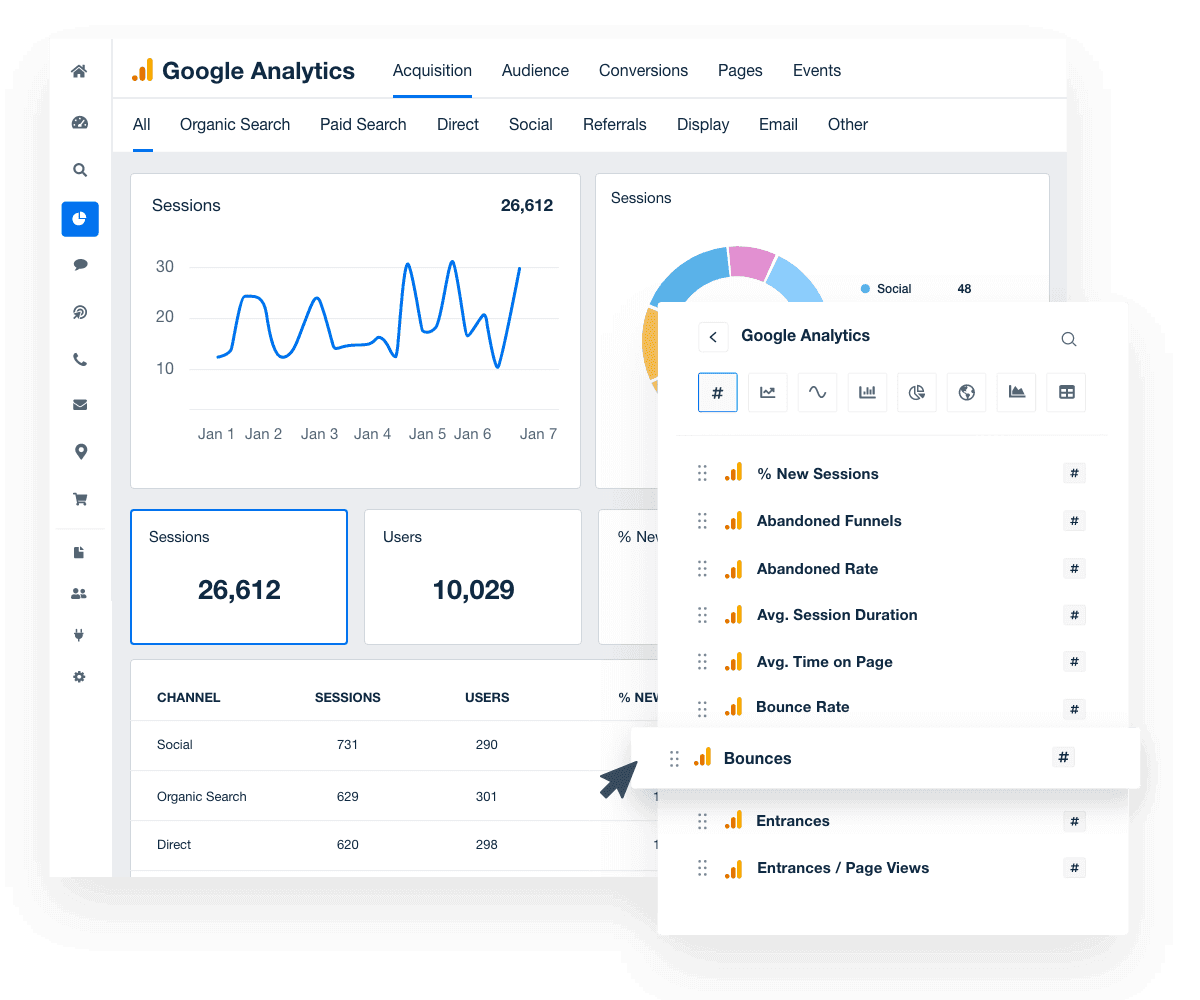
Understanding Google Analytics: A Beginner's Guide to Tracking Success
Google Analytics is an essential tool for anyone looking to track the success of their website. As a beginner, understanding its functionalities can seem daunting, but grasping the basics can significantly enhance your ability to make data-driven decisions. To start, you’ll need to set up a Google Analytics account and integrate it with your website. This setup process typically involves adding a small piece of JavaScript code to your site, which allows Google to collect data about your visitors.
Once your account is up and running, familiarize yourself with key metrics such as pageviews, bounce rate, and session duration. These metrics help you to glean insights into user behavior on your site. For example, a high bounce rate may indicate that visitors are leaving your site quickly, signaling a need for improvement in content or user experience. By regularly monitoring these statistics, you can uncover patterns that inform your SEO strategies and contribute to your overall success in the digital landscape.
5 Key Metrics You Need to Monitor for Business Growth with Google Analytics
Monitoring the right metrics is crucial for business growth, and Google Analytics provides a wealth of data to help you do just that. Here are five key metrics you need to monitor:
- Website Traffic: Understanding your total website traffic gives insights into your audience's size and engagement levels.
- Bounce Rate: This metric reveals the percentage of visitors who leave your site after viewing only one page, helping you assess the effectiveness of your landing pages.
- Conversion Rate: Tracking the percentage of visitors who complete desired actions, such as making a purchase or signing up for a newsletter, is essential for measuring growth.
- User Demographics: Knowing who your users are—based on age, gender, and interests—can help you tailor your marketing strategies effectively.
- Acquisition Channels: Understanding where your visitors come from (organic search, social media, etc.) allows you to optimize your marketing efforts across different platforms.
By keeping a close eye on these key metrics, you can derive actionable insights that contribute to ongoing business growth. For instance, if you notice a high bounce rate, you may need to revisit your content strategy to retain visitors longer. Additionally, monitoring conversion rates can help you identify successful campaigns and allocate your resources more effectively. Regularly analyzing this data will not only guide your decision-making but also position your business for sustainable growth in an increasingly competitive landscape.
How to Use Google Analytics to Optimize Your Marketing Strategy
Google Analytics is an invaluable tool for marketers looking to refine their marketing strategy. To begin optimizing your campaigns, start by logging into your Google Analytics account and navigating to the 'Acquisition' section. Here, you can analyze the traffic sources that are driving visitors to your site. It's crucial to assess the performance of each channel, such as organic search, social media, and paid ads. By examining user behavior and engagement levels, you can identify which channels yield the highest conversion rates and focus your efforts there.
Once you've gathered data on your traffic sources, utilize the 'Behavior Flow' report to visualize how users interact with your website. This feature provides insights into the paths users take, helping you to pinpoint any obstacles in the conversion funnel. If you notice a significant drop-off at a specific stage, consider tweaking your landing pages or content to better cater to your audience's needs. Moreover, don't overlook the importance of setting up goals and tracking them in Google Analytics; this will enable you to measure the effectiveness of your marketing tactics and make data-driven decisions to optimize your overall strategy.